From reporter to her own newsroom: eight years of La FatFluencer, 938 articles and 187 restaurants listed
Cristina Mora Jiluta started in 2018 and now runs her own newsroom: 938 articles published and a directory of 187 Costa Rican restaurants listed one by one, across six provinces and 38 kinds of cuisine. It is one of the best-built careers in the country, and a great many people do not know it exists.
Updated

It is Friday, you have to decide where to eat, and the search ends where it always ends: on three Google reviews written by people you know absolutely nothing about. One swears it is the best food in the country. The next says the soup came out cold. Neither is signed, neither has anything at stake, and the average of the two means nothing.
Meanwhile, Costa Rica has had, for years, a directory of 187 restaurants, cafés and food businesses listed one by one, sorted by province and by kind of cuisine. One person built it: Cristina Mora Jiluta, La FatFluencer.
And the directory is only the tip of it: behind it sit eight years of craft, a career that started in somebody else's newsroom, and 938 published articles.
Almost nobody is using it. That is the strange part of this story.
The real size of what she has done
Piece by piece this does not show, so it is worth saying it together:
- She went from covering food for two newsrooms that were not hers to being her own newsroom, and she has kept it running for six straight years.
- She publishes on Instagram, TikTok, Facebook and YouTube at once. The channel, opened in November 2022, already holds 240 videos and more than 265,000 views — and it is the platform she has pushed least.
- She built a catalogue of 187 businesses across six provinces. That is no longer content: it is infrastructure, and it did not exist before.
- And she flipped her relationship with the press. She started out writing for outlets; today the outlets quote her. Teletica put her on *Más que Noticias*, and La Nación asks her for recommendations and writes profiles about her.
Very few creators in Costa Rica tick all four boxes. Almost none do it having started alone, from zero, and without softening the name to be easier to like.
One byline against a thousand anonymous ones
What separates that directory from a star average is not the design. It is that somebody here answers for what it says.
Cristina did not arrive at food through marketing. She arrived through journalism. She worked at Revista Perfil and at the now-defunct Vivir y Comer, always on the food beat, and had tasted typical dishes in more than 25 countries before she listed her first Costa Rican restaurant. That is a trained palate — and, more to the point, a palate with a name attached.
It changes what a recommendation is worth. An anonymous review ends with itself: you cannot tell whether that person eats out once a year, whether the waiter annoyed them, or whether the place paid for it. A signed recommendation can be checked, and there are eight years of public work here to check it against.
The press already treats her that way. When La Nación put together a guide to family-friendly cafés, it did not average reviews — it asked her. Teletica put her on *Más que Noticias*. A star average does not pass that test.
How it is built, so it can actually be used
The directory at lafatfluencer.com is not one long list. It is organised the way people actually look for somewhere to eat.
- Six provinces, to filter by where you are
- 38 kinds of cuisine, from sushi and ramen to ceviche, grill, street food and hole-in-the-wall counters
- Every listing with its own photos, a description written by hand, location and how to order
- Many of them also carrying her own visit, already published on Instagram
It is the boring part of the craft and it is exactly the part nobody else does. Keeping 187 listings current will never produce a viral video, but it is what turns a food account into something you can consult.
The whole track record is there to be checked
The site is not a blog parked next to the social accounts: it is the main body of work. And nobody has to take her word for it, because the pieces are there to be counted: 938 published since 2020.
And the number that puts the rest in order: so far in 2026 she has published 90 pieces; in all of 2025 she published 76. Eight years in, she is not slowing down. She is speeding up. The latest piece went out on 3 September 2026.
She started without permission, and without changing the name
All of it came out of an Instagram profile she opened in 2018 while living in Madrid, under a name any brand consultant would have asked her to change in the first meeting: La FatFluencer. The verb "fatfluenciar" had started as a joke among her friends, and she decided the joke was staying.
I consider myself a foodie forever craving something new, always trying things and asking for or giving recommendations on what and where to eat.
Cristina Mora, on her own site
That profile is now past 158,000 followers, and it is still the smallest part of what she built.
And she set the story herself
In June 2026 she told La Nación she had lost 12 kilos in three months. Most people would have let someone else write that story about them. She wrote it first:
I still eat out. I am still filming burgers, pizzas, desserts and restaurants. The difference is that now I am also taking care of myself.
Cristina Mora
Same instinct as 2018: the story is hers, and she does not hand it over.
Why this matters to us
qcrew exists for one reason: so that every creator in Costa Rica reaches the people already out there looking for them.
And this case makes the argument better than any pitch of ours. There is a useful, free directory, built by someone with judgement and a track record, solving a problem all of us have every week — and a great many of the people who need it do not know it exists. That gap is not about talent. It is about visibility.
Before opening Google and averaging strangers, it is worth asking someone who actually knows. That is the whole argument.
In pictures
Photos published by the creator on their own platforms. Tap any of them to see it at the source.
 COSTA RICA EN UNA MESA: Casona de mi Tierra en Heredia
La FatFluencer / YouTube
COSTA RICA EN UNA MESA: Casona de mi Tierra en Heredia
La FatFluencer / YouTube
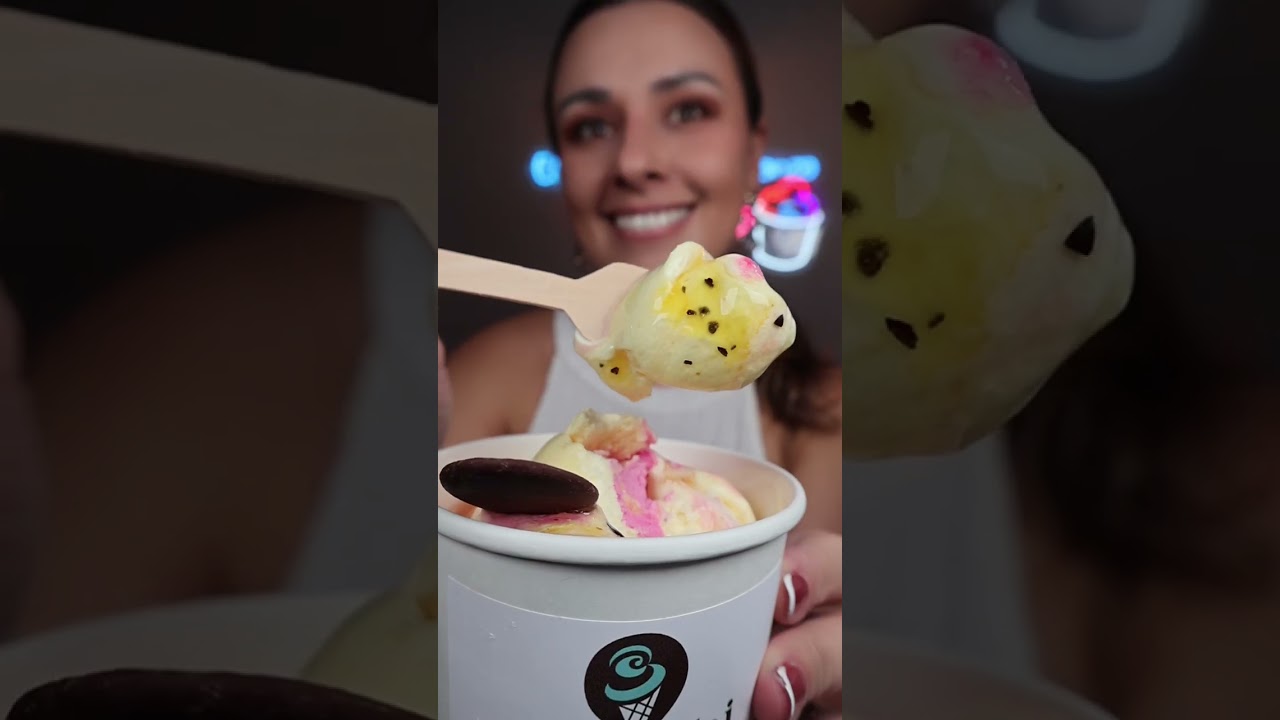 Short del 11 de junio de 2026 · 2.713 reproducciones
La FatFluencer / YouTube
Short del 11 de junio de 2026 · 2.713 reproducciones
La FatFluencer / YouTube
 Short del 14 de junio de 2026 · 1.369 reproducciones
La FatFluencer / YouTube
Short del 14 de junio de 2026 · 1.369 reproducciones
La FatFluencer / YouTube
 Short del 17 de junio de 2026 · 1.337 reproducciones
La FatFluencer / YouTube
Short del 17 de junio de 2026 · 1.337 reproducciones
La FatFluencer / YouTube
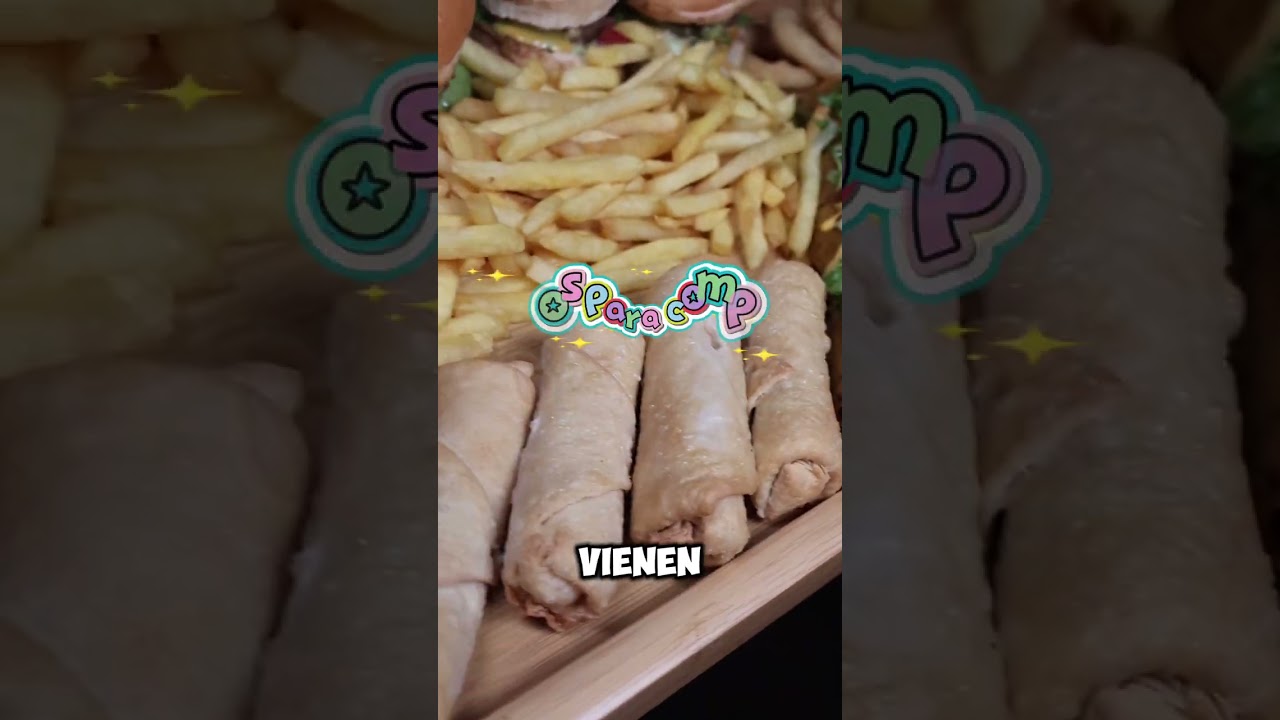 Short del 4 de julio de 2026 · 1.108 reproducciones
La FatFluencer / YouTube
Short del 4 de julio de 2026 · 1.108 reproducciones
La FatFluencer / YouTube
 Short del 3 de agosto de 2026 · 937 reproducciones
La FatFluencer / YouTube
Short del 3 de agosto de 2026 · 937 reproducciones
La FatFluencer / YouTube


